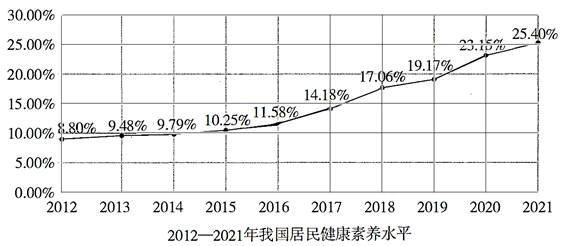
Analyzing the chart that traces the evolution of health literacy among Chinese residents from 2012 to 2021, a fluctuating pattern emerges. Commencing at 30.00% in 2012, the level initially ascended, yet subsequently descended, ending at 25.40% in 2021. This indicates that, despite some positive advancements, challenges persist that demand attention.
The fluctuation may stem from multiple factors. The initial rise could be attributed to a heightened awareness and intensified educational efforts aimed at enhancing health literacy. However, the subsequent dip may suggest a lack of consistent momentum in these initiatives or the emergence of novel challenges affecting health literacy levels.
Emphasizing the significance of health literacy is pivotal, as it enables individuals to make informed decisions regarding their health and well-being. Consequently, it is imperative to devise strategies to reverse this downward trend and foster health literacy among the populace. This may encompass expanding the accessibility of health education resources, offering customized health information, and encouraging engagement in health promotion activities.
In summary, while Chinese residents have achieved some gains in health literacy, there is still ample room for improvement. By addressing the underlying causes of the decline and executing effective strategies, we can strive towards cultivating a healthier and more knowledgeable society.
范文开头引入图表和主题,提出健康素养水平存在波动。接着分析波动的原因,包括初期增长和后续下降的可能因素。再强调健康素养的重要性,并指出提高健康素养的必要性。然后提出具体的提高健康素养的策略和建议。最后总结全文,并展望未来的努力方向。此外,范文中使用了“commencing”“ascended”“dip”等词汇,使文章表达更加多样化和准确。